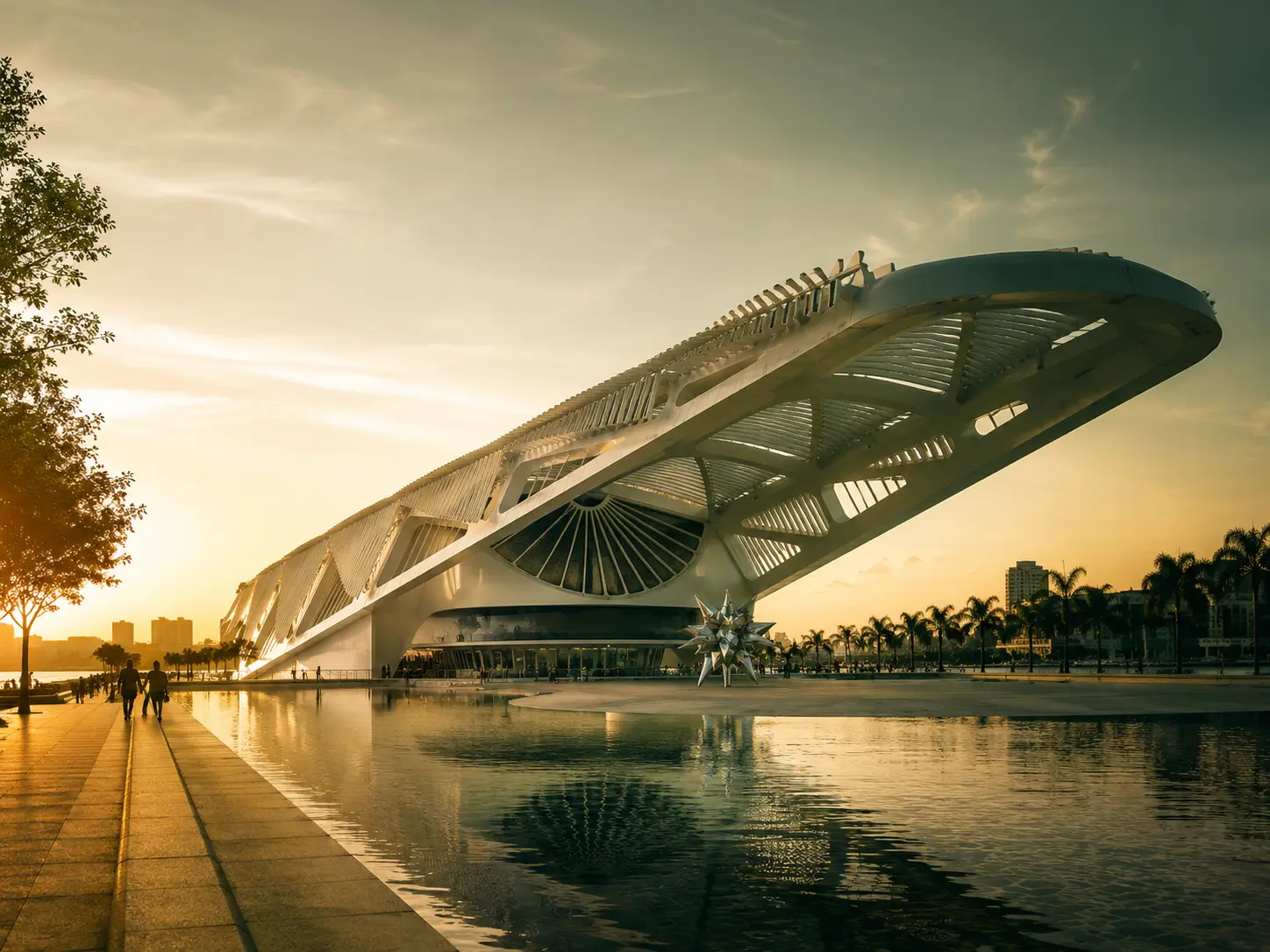
A building doesn’t act alone
When comparing works by the same architect, it’s tempting to attribute the result to formal quality alone. But architecture is only one of the layers. The urban and economic effect of a project also depends on its program, its access, the density of its surroundings, its integration with other investments, and its ability to attract uses over time.
What to look at in a comparison
- Program: who uses the building, how often, and for what reasons?
- Location: is the project embedded in an established network of mobility, culture, education, and economic activity?
- Public space: does the layout invite people to stay and create connections, or does it function as an isolated object?
- Institutional strategy: are there operations, programming, communication, and resources to keep the place active?
- Externalities: does the project stimulate new investment and uses in its surroundings, or concentrate its effects within its own lot?
Iconic architecture is no substitute for strategy
A recognizable building can draw attention and create a powerful image, but on its own it doesn’t fix problems of access, absence of demand, weak urban integration, or a fragile operating model. Likewise, a less spectacular piece of architecture can generate great value when it responds precisely to its context and its people.
For real estate development, the main lesson is clear: hiring a marquee name or creating a striking form must be part of a larger strategy. Product, location, experience, operations, and feasibility all need to pull in the same direction.
How to apply this reading to a development
When evaluating a project, don’t only ask whether it will be beautiful. Analyze how people will get there, why they’ll stay, who will use it, what sustains the operation, and how the development improves its relationship with the surroundings. It’s in that combination that architecture turns into urban and real estate value.
Learning through real cases
The Real Estate Development Is an Art Mentorship uses case studies to connect design, urbanism, market, and feasibility decisions.
See the mentorship structure